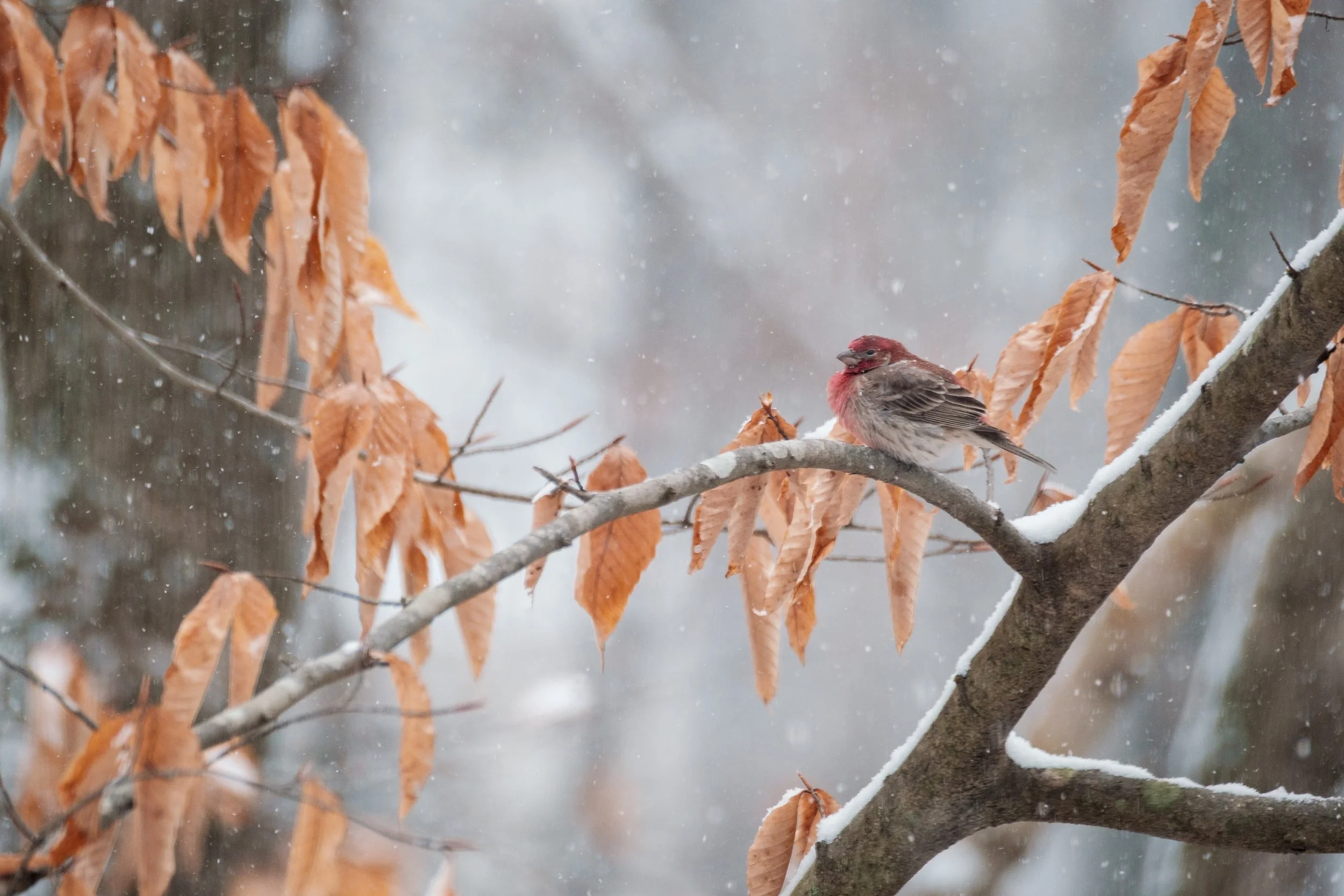
Southern Snow, Old Glass: How a Fuji XT3 Made My Best Bird Photos In the Worst Weather
I woke up to snow in Atlanta this morning. Southern snow stops the city but energizes the birds. I grabbed my Fuji XT3 with FUJIFILM XF 100-400mm f/4.5-5.6 R LM OIS WR lens, settled into my living room swivel chair with a squishy footrest in my lap, and watched the feeding stations outside my windows turn into a parade ground.
The XT3 is from 2018. In camera years, that's pretty old. People are shocked when I tell them what I shoot with, as if a seven-year-old camera can't possibly make great images anymore. It can. And today, in the worst weather conditions, it delivered my best bird photos ever.
Bad Weather Makes Good Birding
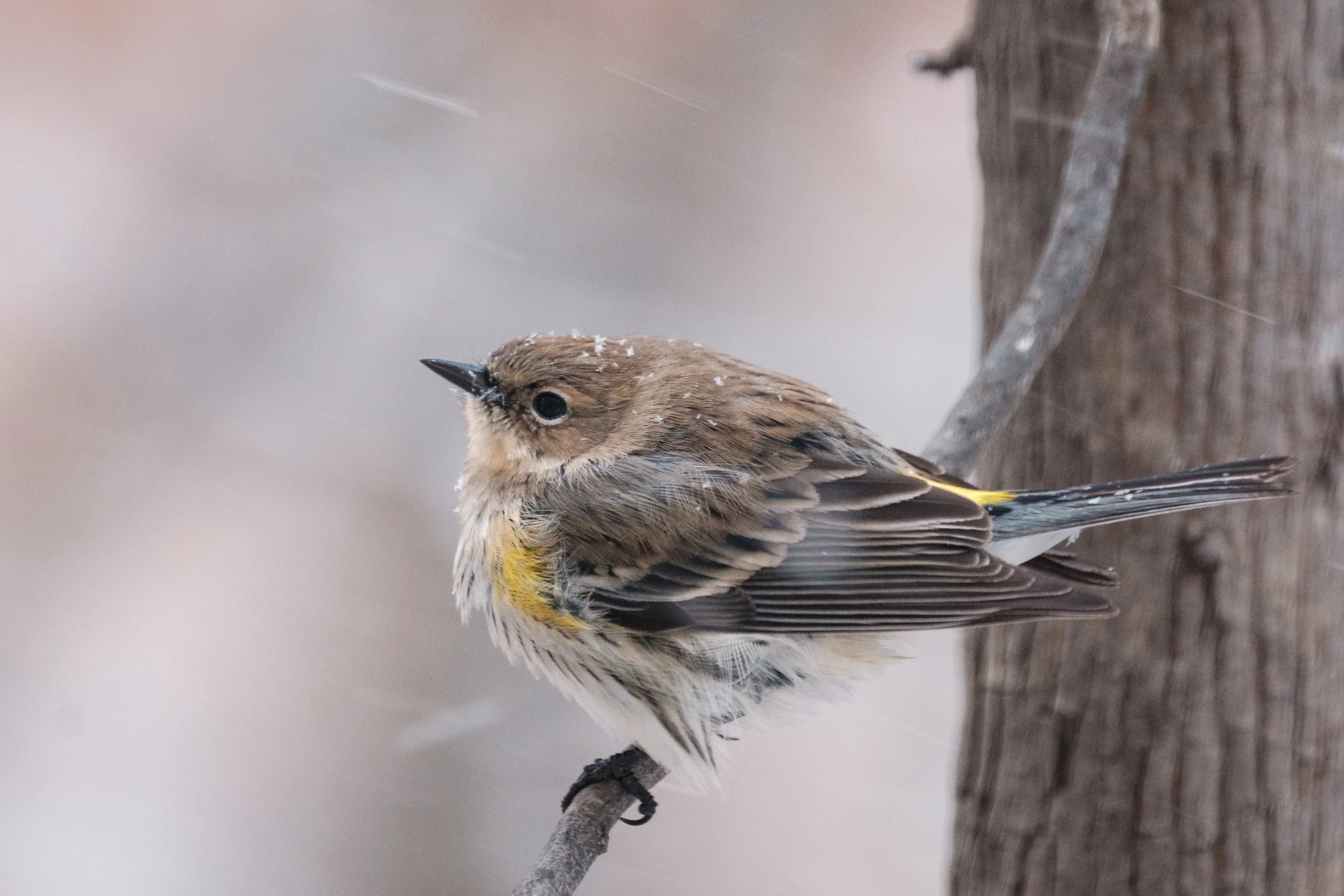
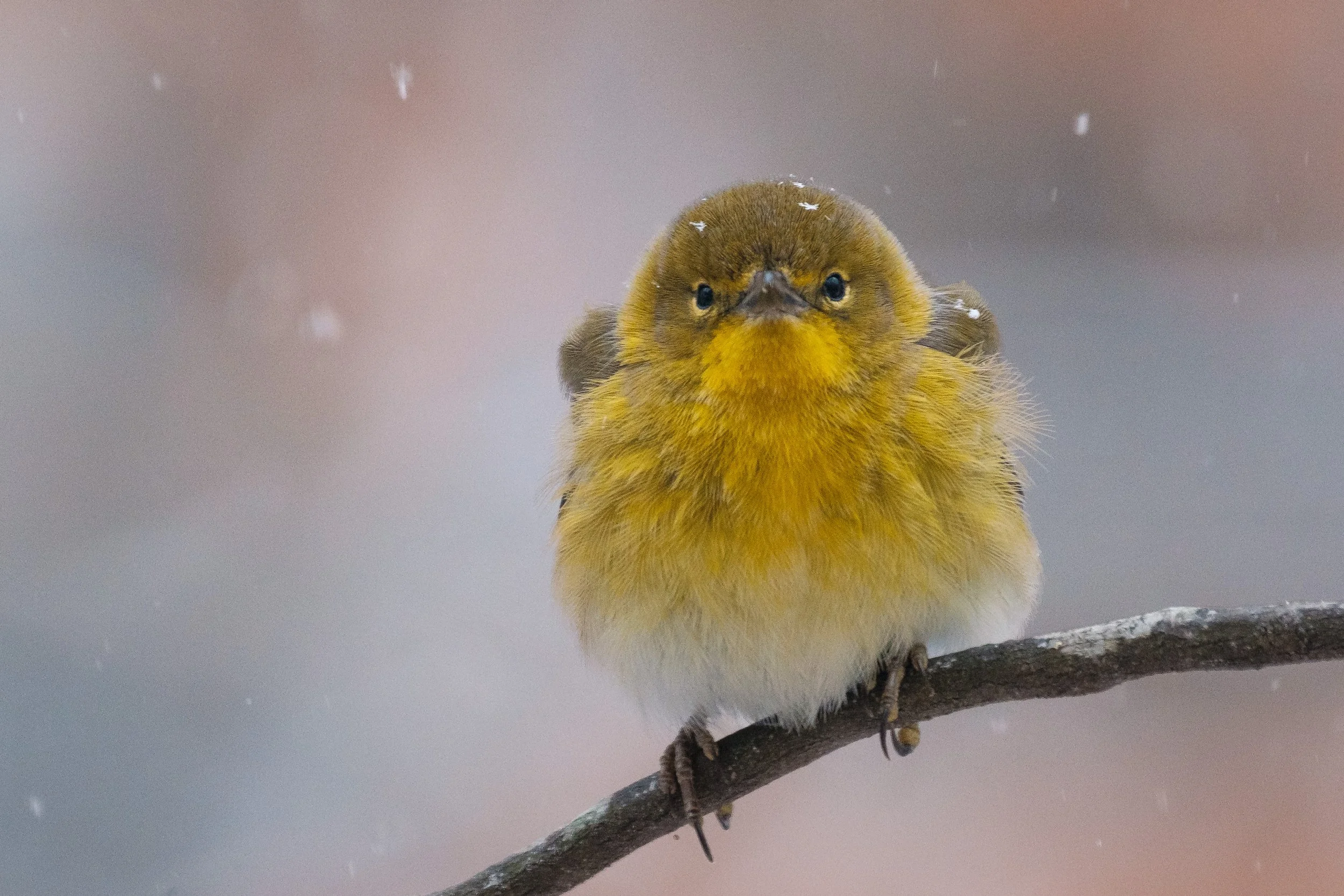
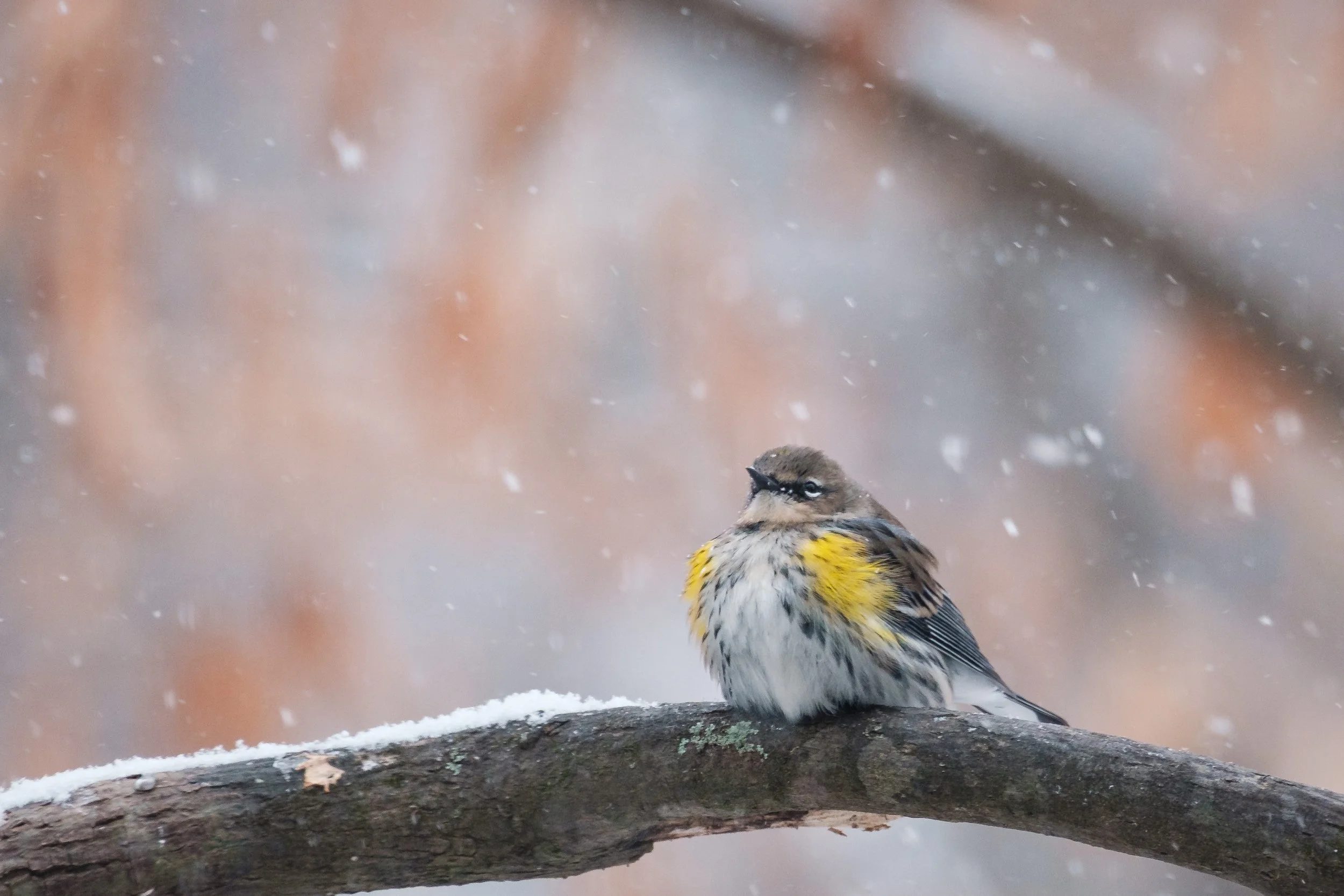
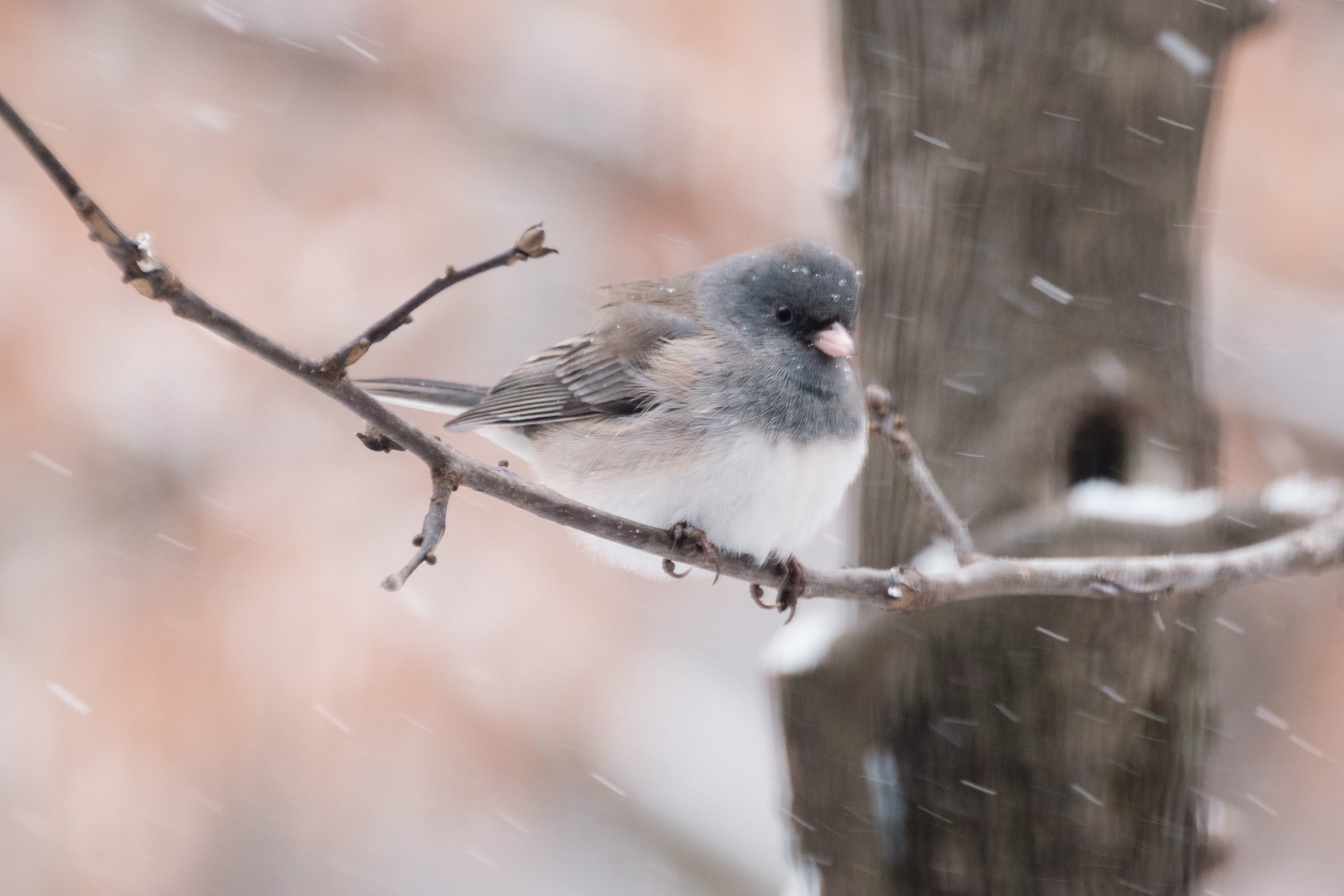
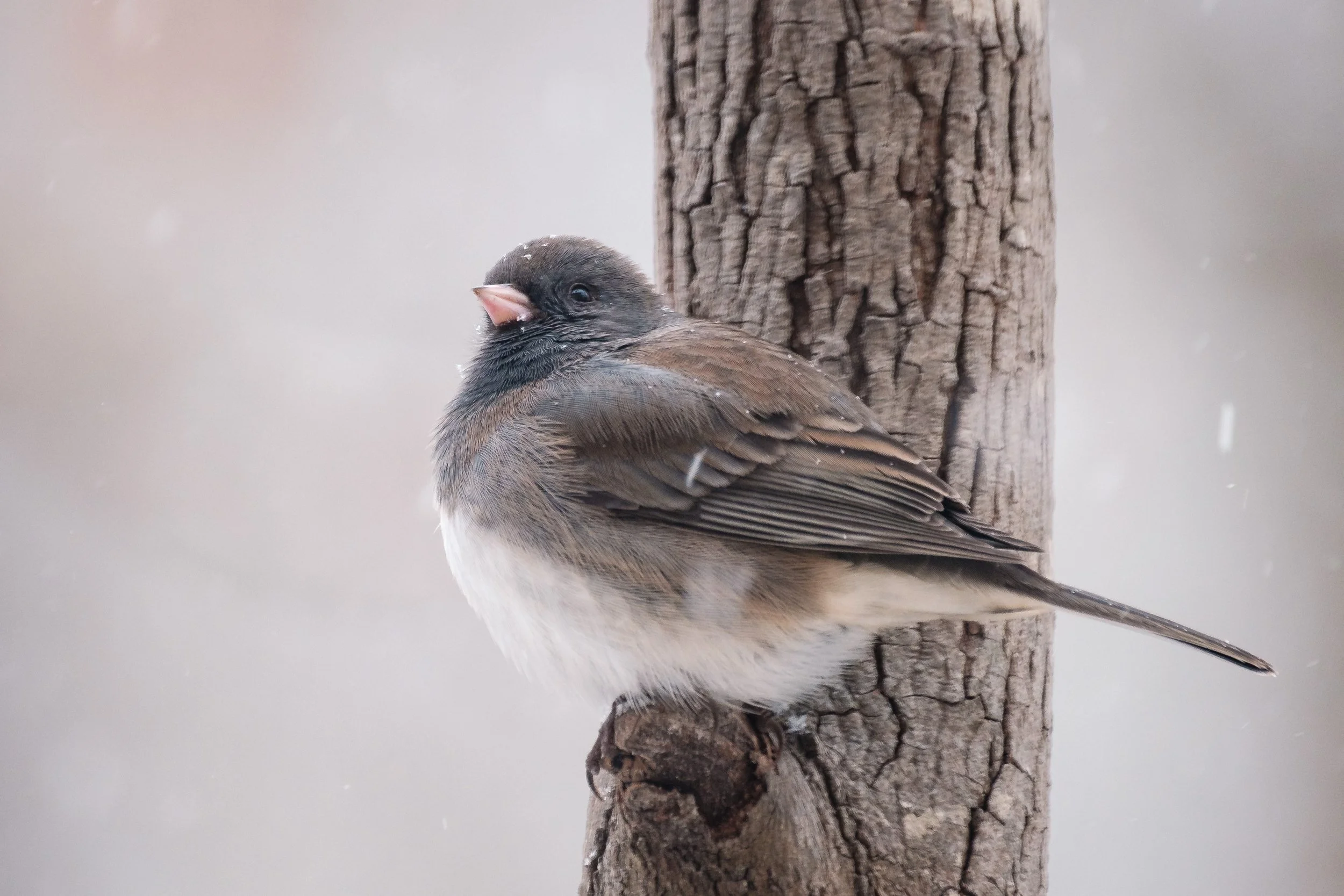
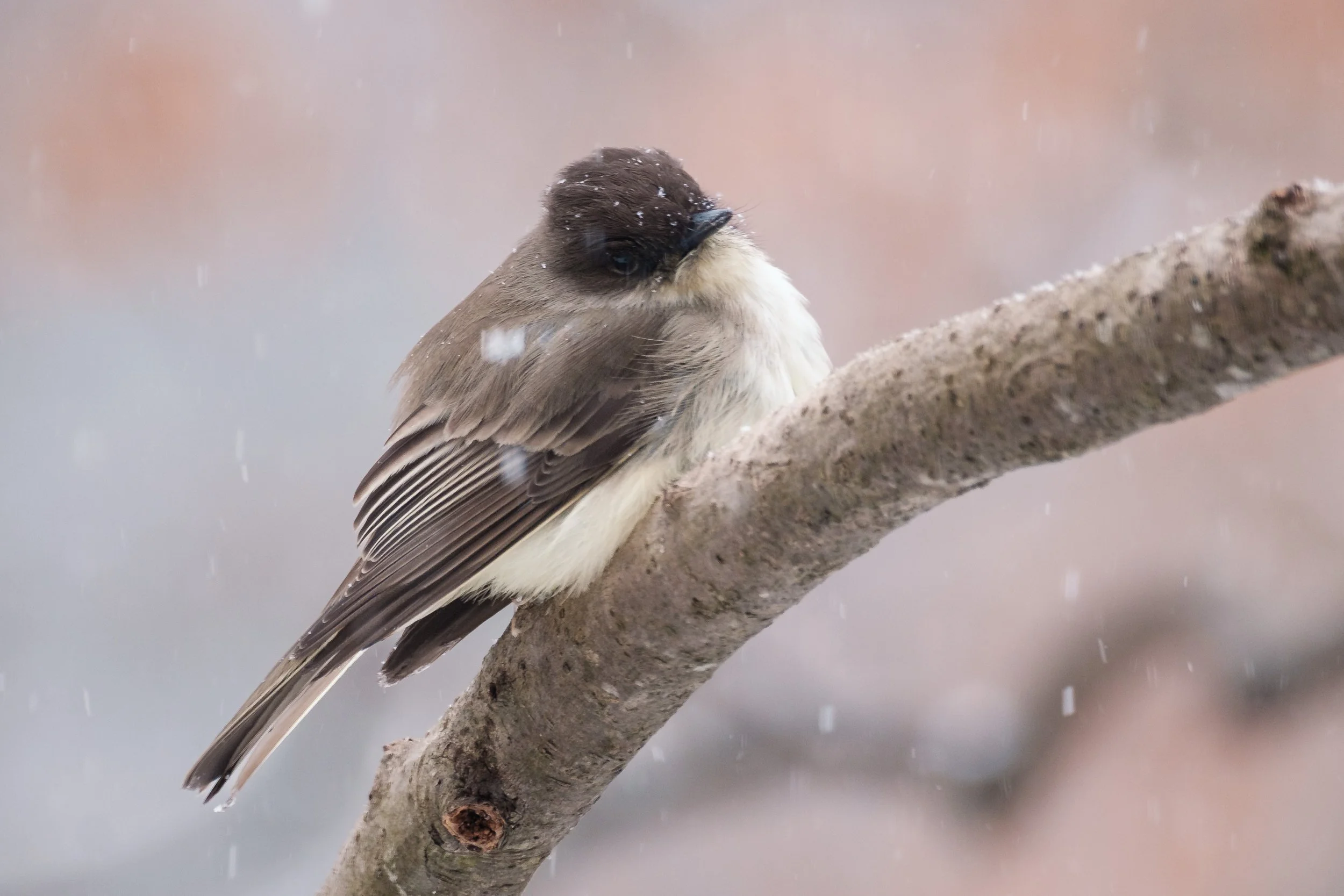
Snow changes things. It concentrates bird activity, drives species lower and closer to feeders, and creates urgency. The white backdrop improves contrast and light. Suddenly, birds that normally keep their distance, like Hermit Thrushes and Eastern Phoebes, come within range. Pine Warblers glow butter-yellow against the white. Yellow-rumped Warblers work the nearby limbs. Dark-eyed Juncos leave their comfort zone on the ground and visit higher ranges. My living room windows are 20 feet above a woodland creek, and so are my bird feeders.
I photographed all of this from inside, through my living room windows, rotating in my swivel chair to track the action across feeding stations and nearby trees. The setup is unglamorous: a footrest, something like this one, doubling as a makeshift cinesaddle (saving hundreds of dollars on actual camera support gear), 30-year-old window glass, and a camera that technically shouldn't even be working.
Your Camera Will Break
Weeks ago, I dropped the XT3. The shutter speed dial stopped working. The shutter button no longer focuses on half-press.
I set the rear button to focus. The front command dial now controls exposure compensation. The back command dial handles aperture. The camera essentially only works in aperture-priority mode now. But I've practiced this workflow for weeks, and have used a similar setup for decades.
There is a lot joy in knowing your gear so well that when it breaks, you can route around the damage. Things always break.
The Gear You Have Beats the Gear You Don't
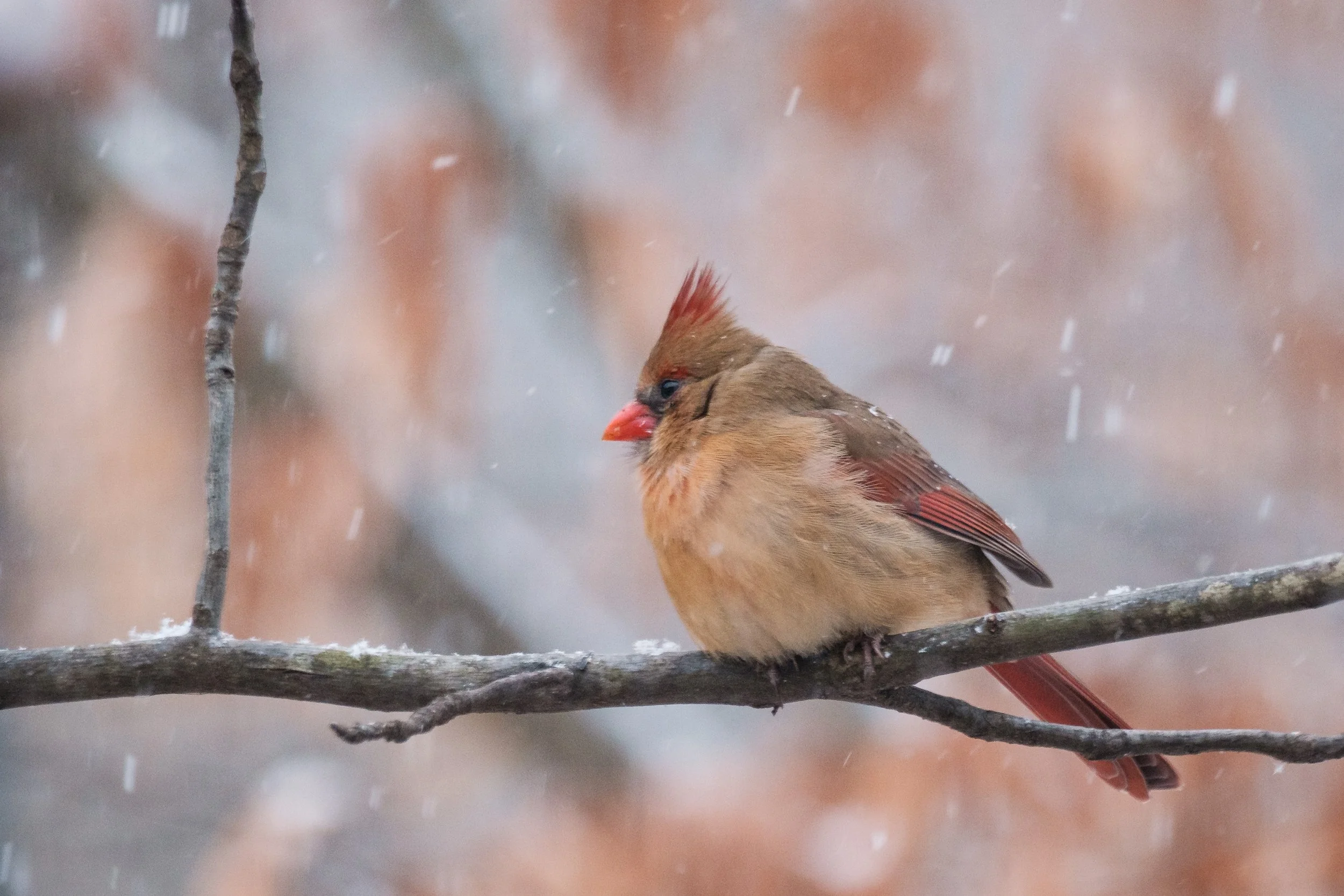
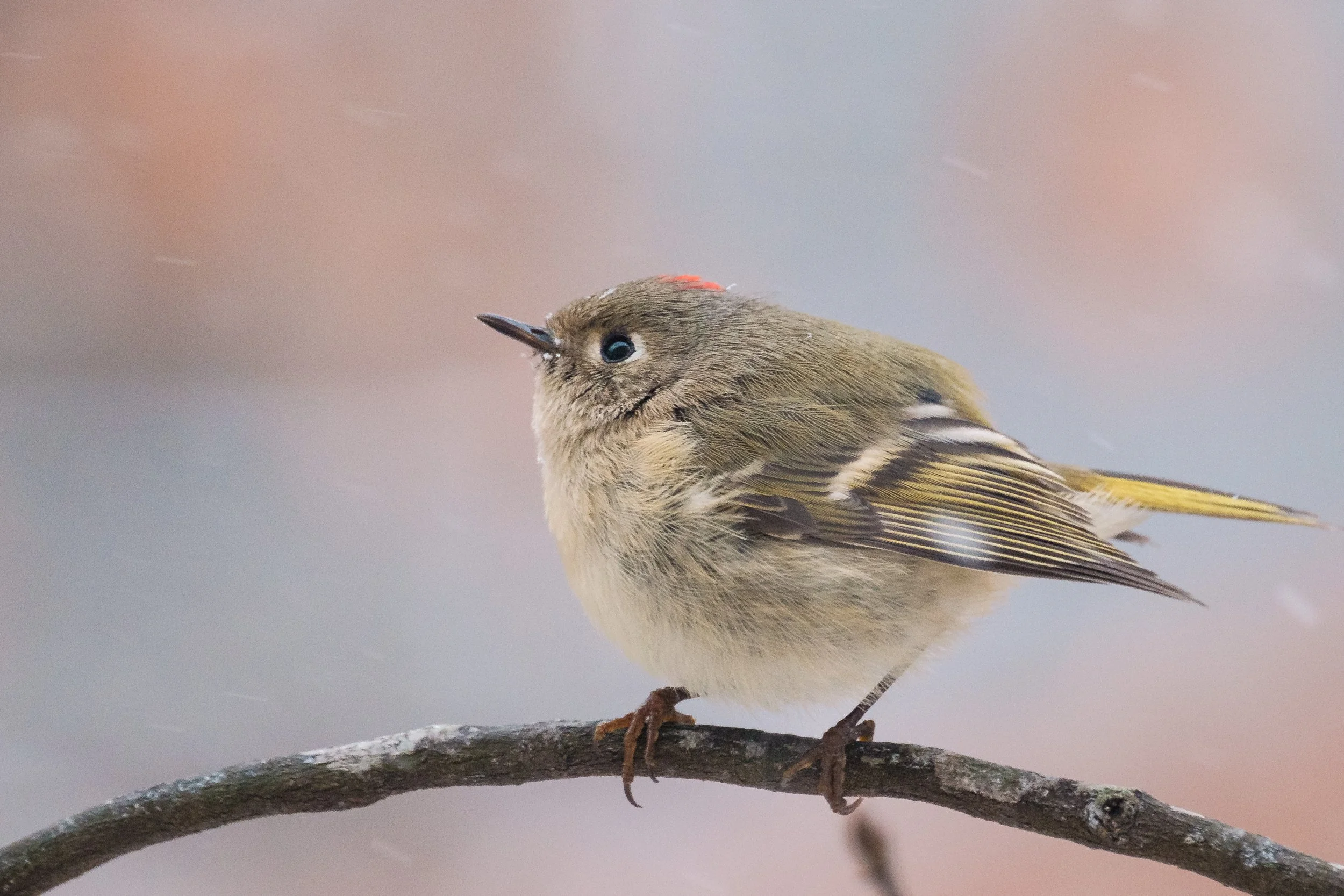
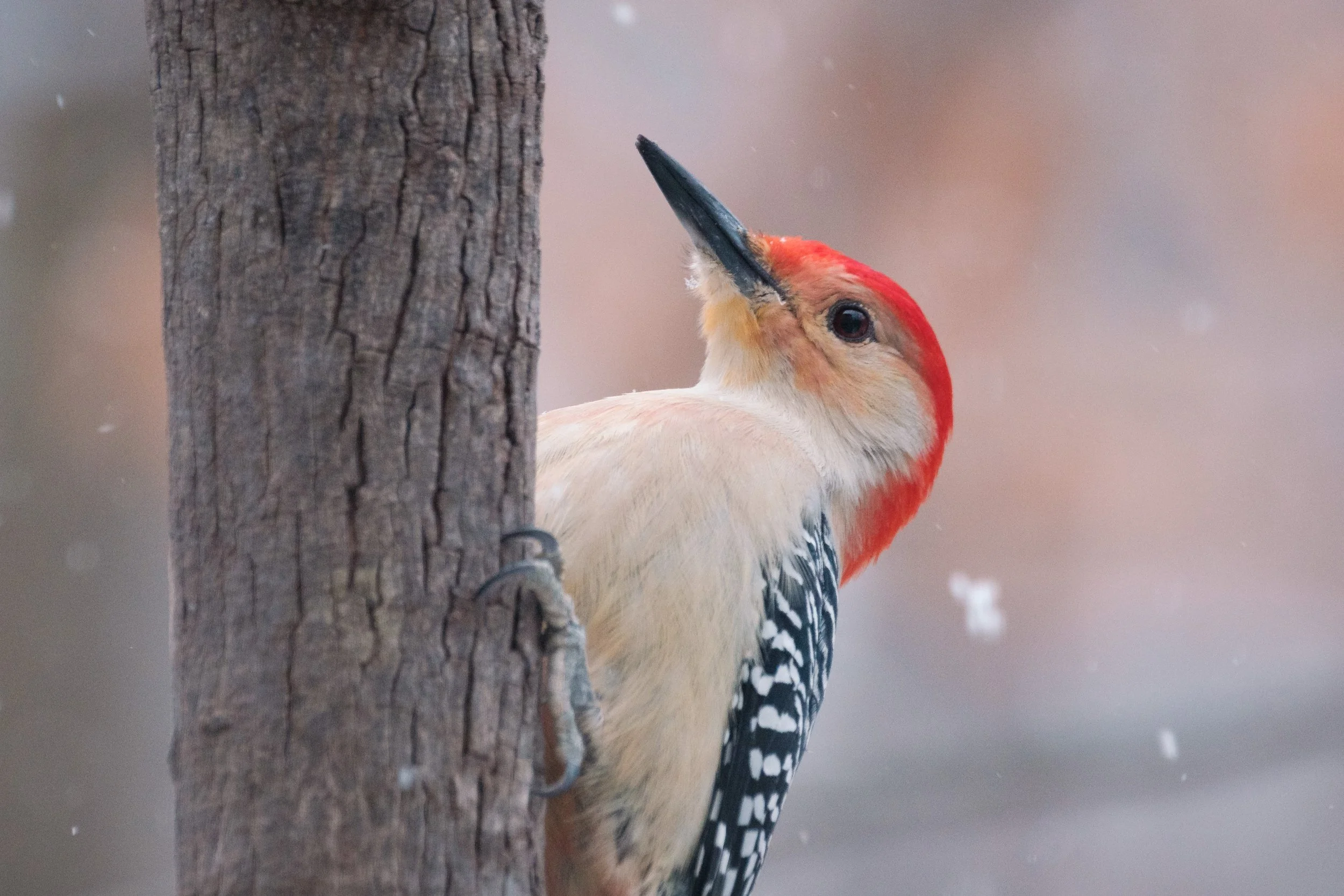
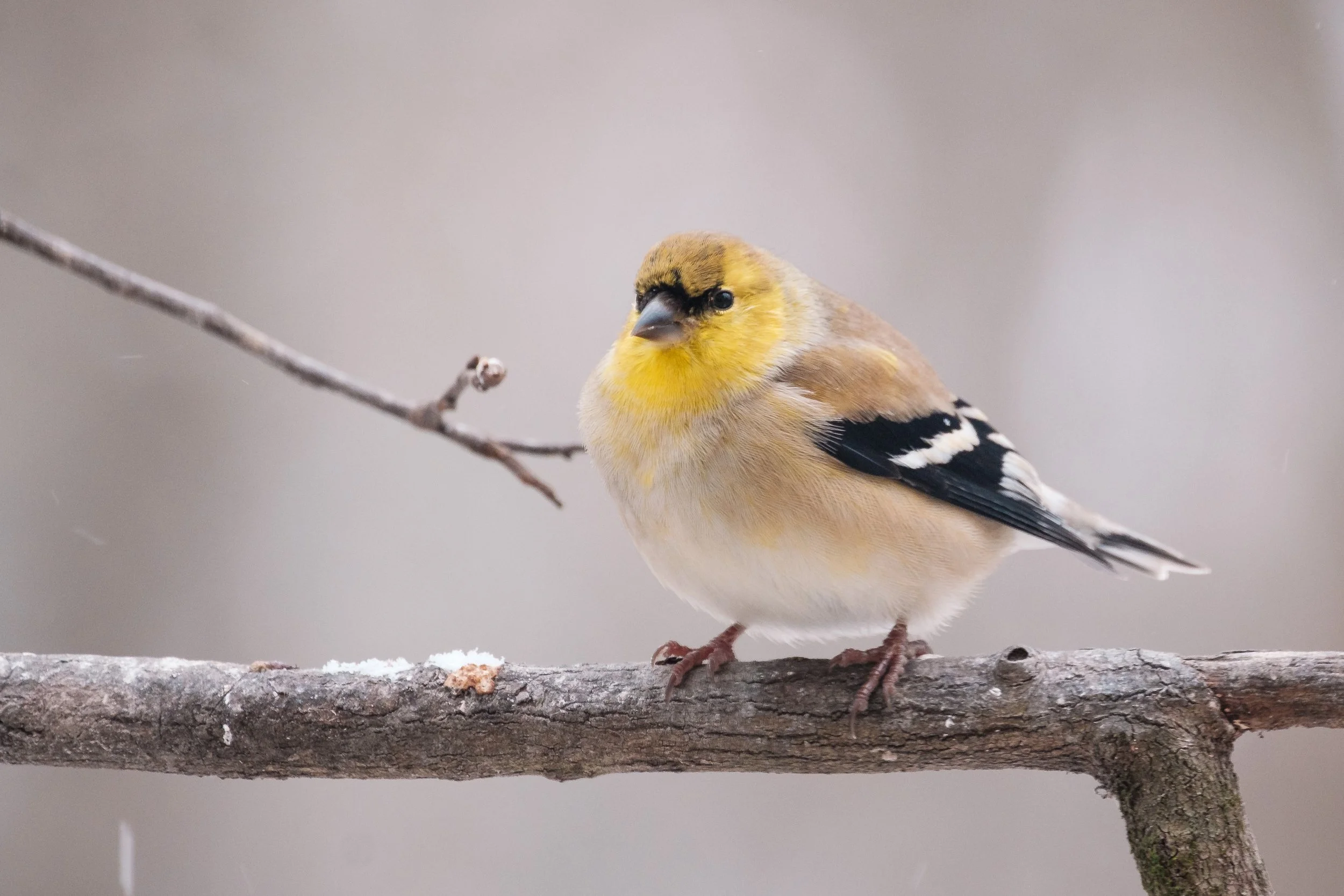
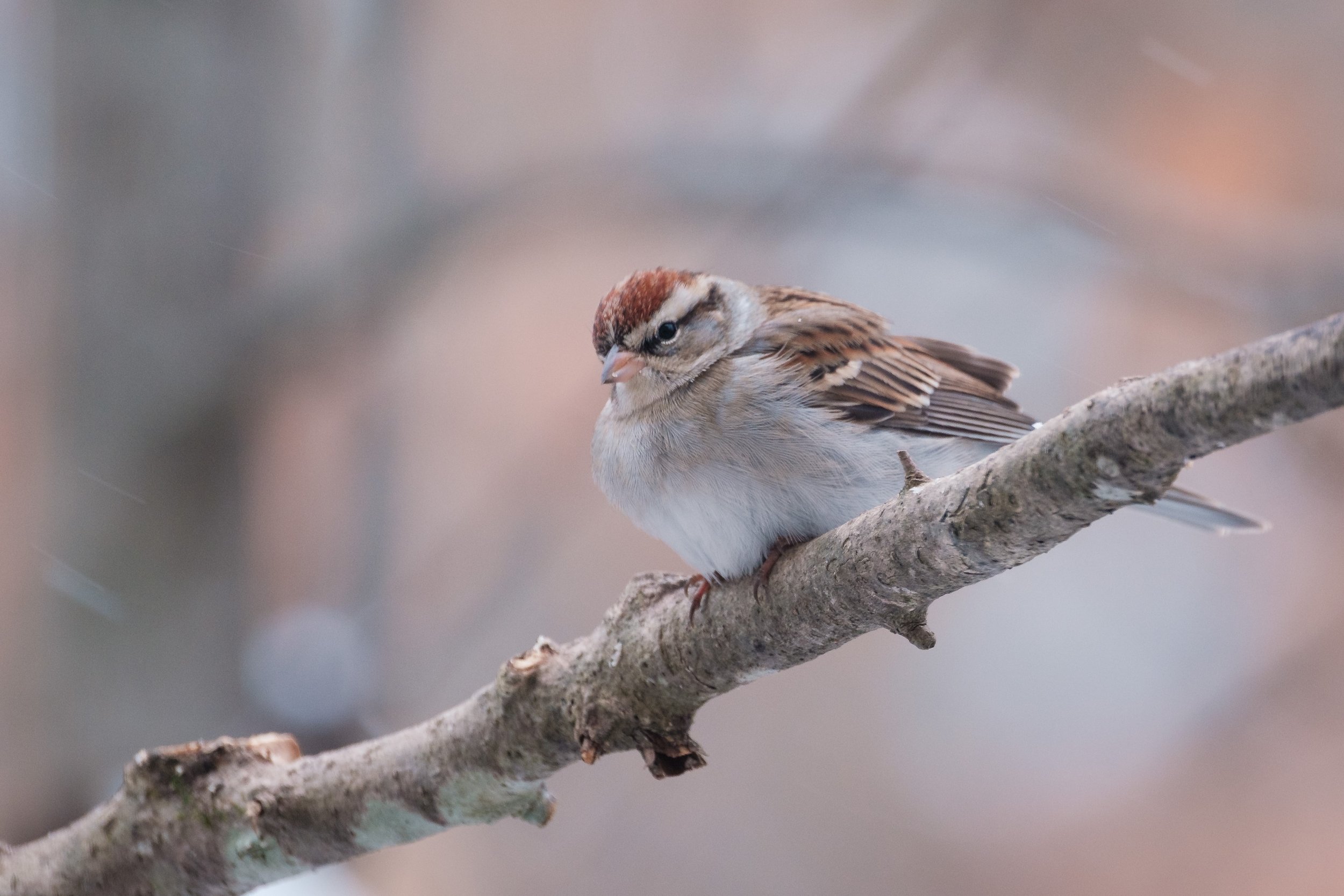
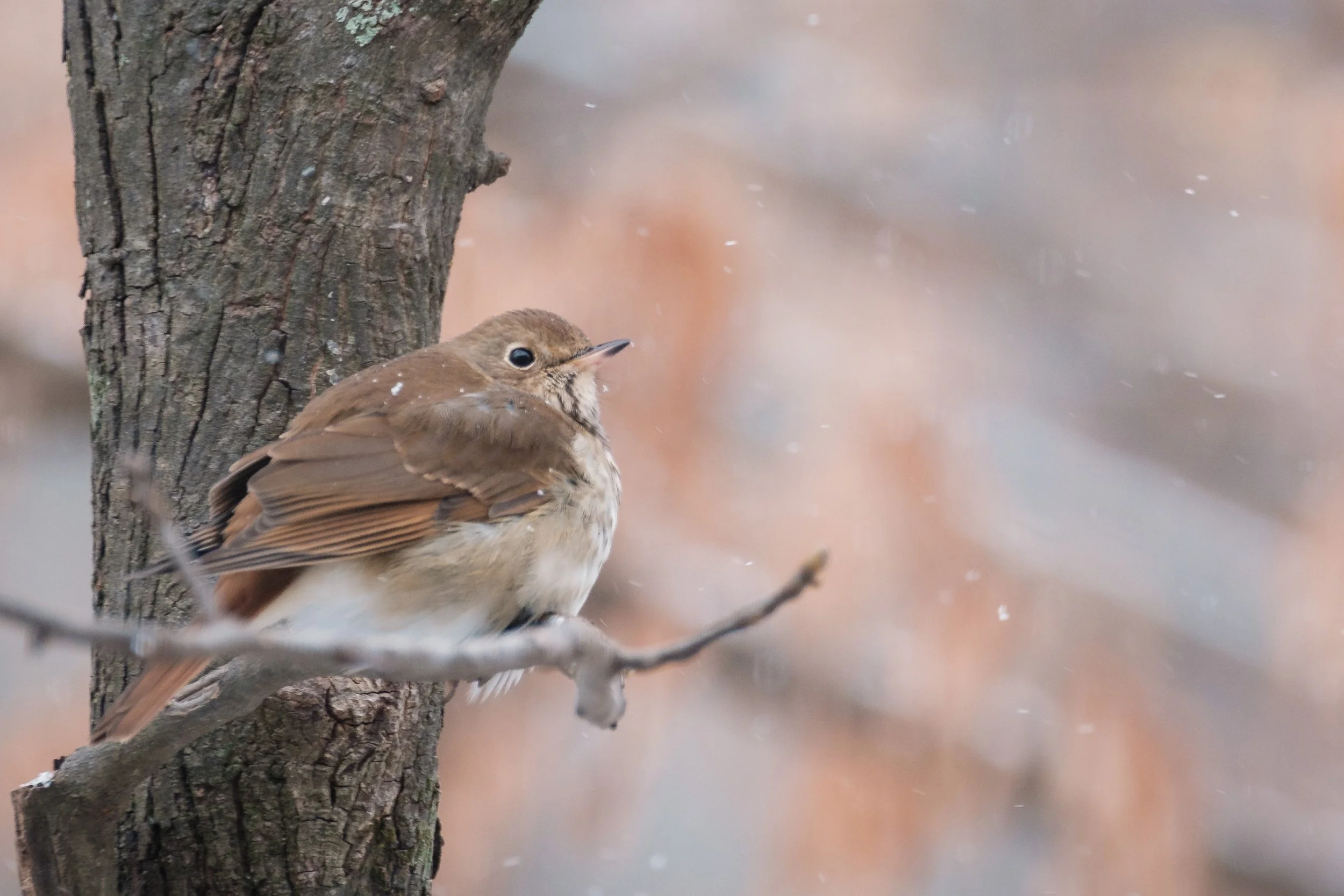
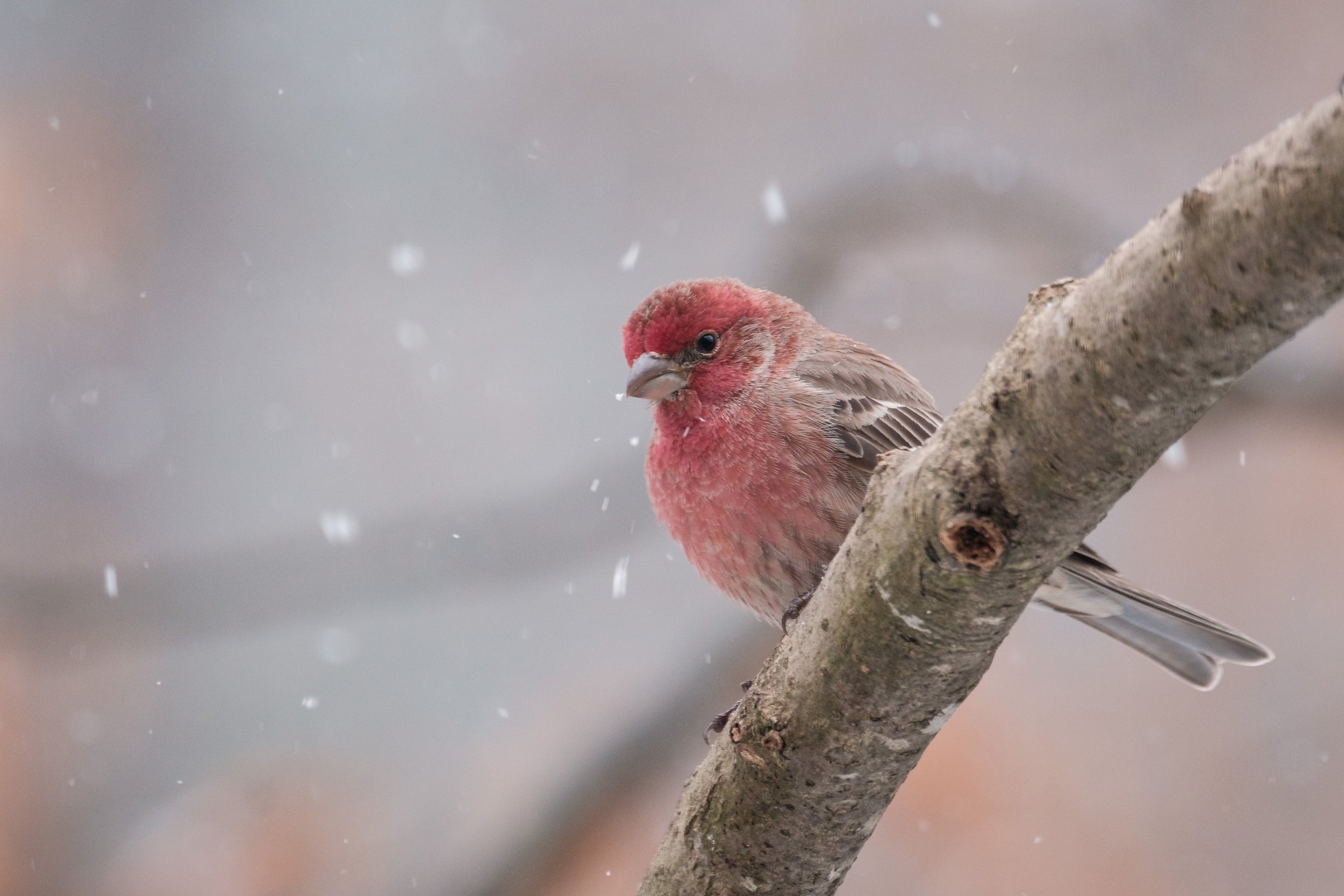
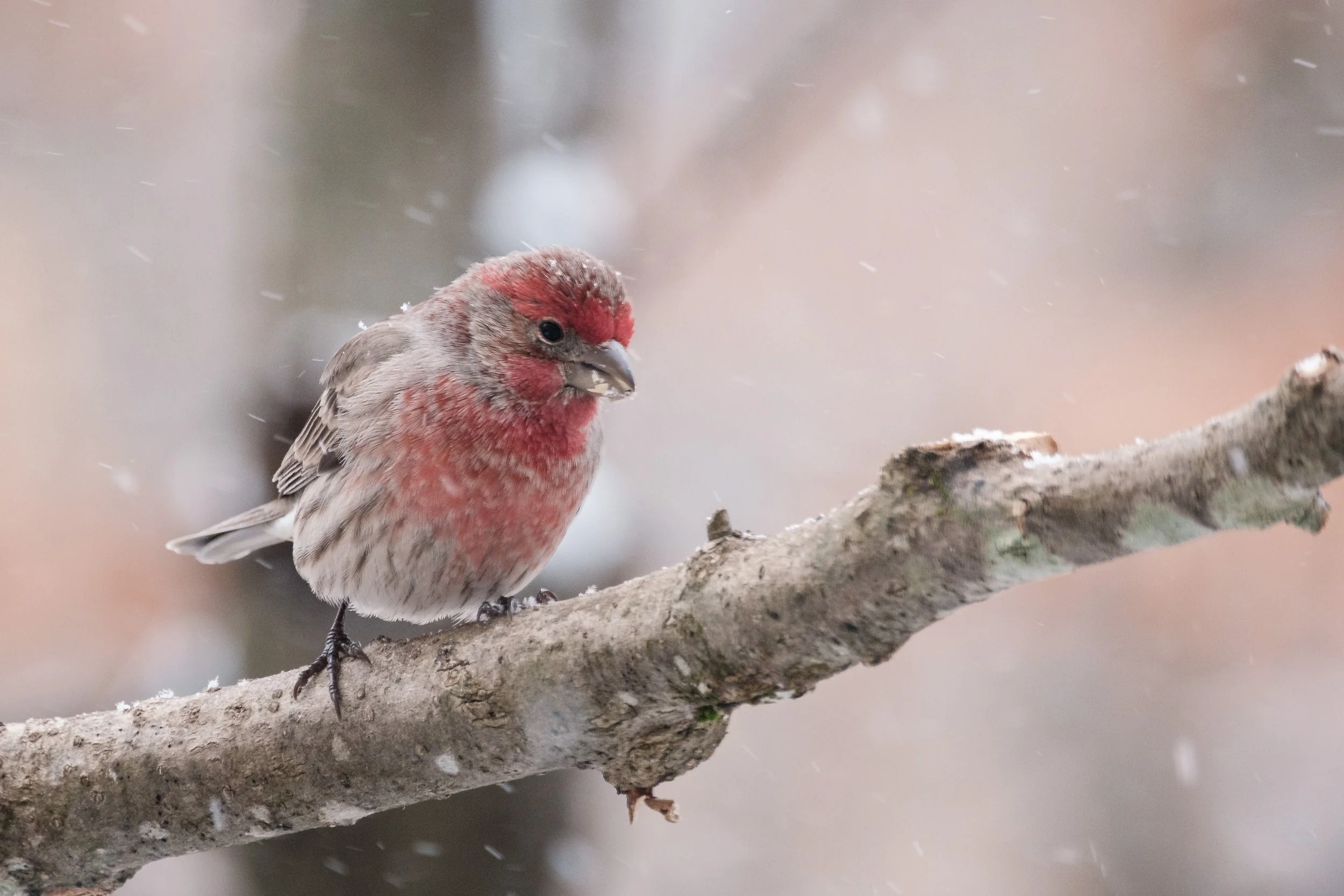
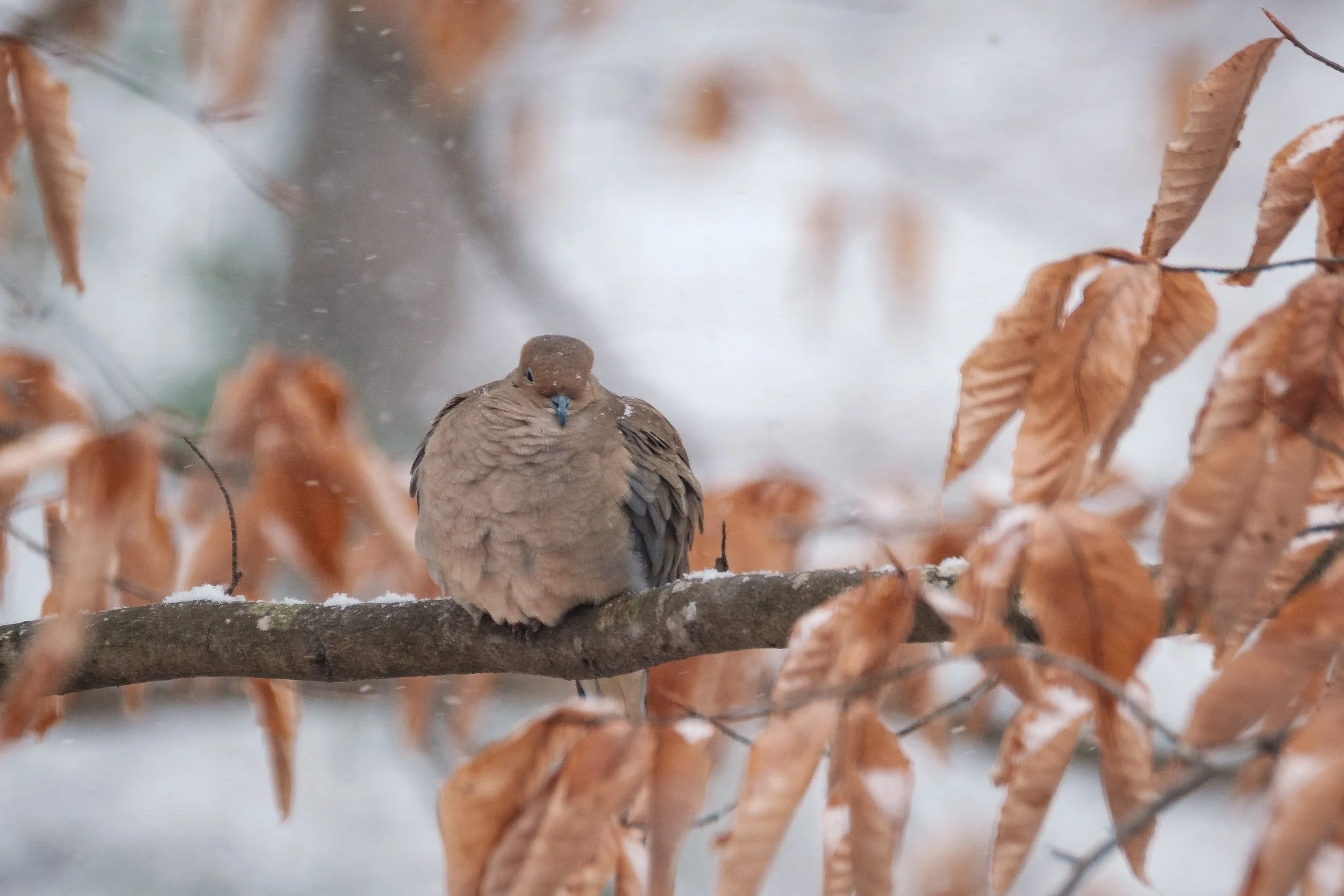
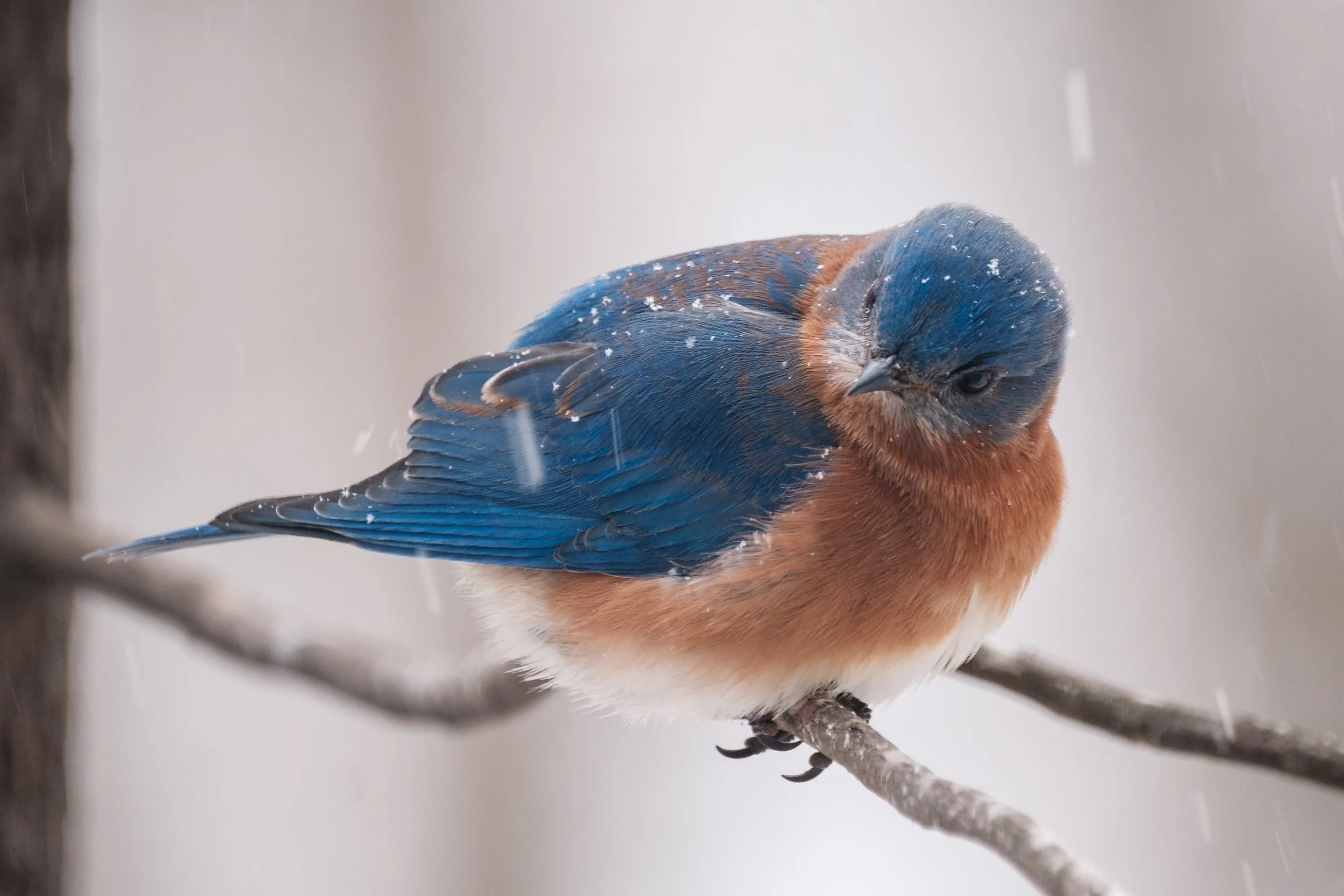
Today I photographed Pine Warblers, Yellow-rumped Warblers, Dark-eyed Juncos, Chipping Sparrows, American Goldfinches, House Finches, Northern Cardinals, a Hermit Thrush, Mourning Doves, Eastern Bluebirds, an Eastern Phoebe, a Ruby-crowned Kinglet, Downy Woodpeckers, and more. All from an old broken camera. All through old window glass. All while sitting in a chair with a footrest in my lap.
The images are sharp enough, but not the sharpest. I don’t care because I stayed warm! The colors are great. The moments are there. You can feel these puffed-up birds resisting the cold. You can see the snow blowing sideways.
You don't need the latest camera body. Know the one you have. Understand light and a little about bird behavior. For example, Thrushes, Juncos, and Sparrows typically stay on the ground, so spread some seed on your deck floor, not just in the high feeders. Show up when the weather gets weird.
These are the best bird photos I have taken in years, thanks to the worst weather and some technical grit. Now to get them all logged in eBird!